Skins in CS2 are more than shiny textures slapped onto a gun. They are art pieces, status signals, mini-markets, and sometimes even investments — all wrapped into colorful finishes you can pull out in a clutch. For players who spend hours in maps and lobbies, skins offer a way to personalize loadouts without changing gameplay. For collectors and traders, they create a secondary economy that thrives on rarity, pattern quirks, and community taste. This article walks through what skins actually are in Buy CS2 Skins, how their value is determined, where you can get them, and how to navigate the marketplace safely and sensibly.
How Skins Work in CS2
At a basic level, a skin is a cosmetic overlay applied to an in-game weapon model. It does not affect accuracy, recoil, or damage. Behind that simple description, however, lie a handful of technical and design systems that matter to collectors: the exterior wear (often called «float»), the pattern index, special properties like StatTrak, and the classification system that assigns rarity. These elements combine to create enormous variety — two identical-name skins can differ wildly in appearance and market value based on those variables.
Float is a numeric value, generally between 0 and 1, that represents how worn a skin looks. Lower float values usually mean cleaner, «Factory New» appearances; higher values make the finish look battle-scarred. The pattern index determines subtle visual differences for skins that use tiled or randomized textures; on some skins this gives rise to rare visual anomalies, like blue-dominant «Case Hardened» AKs that collectors prize.
StatTrak is a device embedded into some skins that counts kills made with that weapon when equipped by the owner. It adds a cosmetic digital counter and increases a skin’s market value. Souvenir items, typically tied to tournament events, are another special category: they often include event stickers or tournament-related provenance and can fetch premium prices among fans and memorabilia hunters.
Classification and Rarity
Skins are grouped into rarity tiers. These tiers are both visual and economic markers: rarer tiers are harder to obtain and usually more expensive. The rarity hierarchy persists from CS:GO into CS2, with some variations in naming and color coding that players learn quickly. Knives and gloves occupy an «exceedingly rare» or equivalent top spot because their supply is intentionally tiny compared to standard weapon skins.
| Rarity | Common Color | Role | Example Item Type |
|---|---|---|---|
| Consumer Grade | White | Lowest tier; abundant | Standard little-splash skins |
| Industrial / Mil-Spec | Blue | Common to uncommon; mass-market | Basic rifle/SMG finishes |
| Restricted | Purple | Mid-tier; noticeable demand | Unique colorways |
| Classified | Pink | High-tier | Notable rifles/pistols |
| Covert | Red | Top-tier; rare | Desirable AKs, M4s |
| Exceedingly Rare | Gold | Knives, gloves; extremely scarce | Special finishes with huge premiums |
Where and How You Acquire Skins
There are several paths to owning skins in CS2. Understanding them helps you decide whether you want to chase rare drops, buy directly, or trade for a specific piece.
- Case openings: Cases contain randomized items. You need a key to open most cases. Opening one is a gamble — the house edge is real — but it’s the classic thrill of the scene.
- Drops: Random drops may occur after matches, though drop systems are limited and subject to Valve’s rules. Drops tend to be low-tier and infrequent.
- Steam Community Market: Valve’s official marketplace where players buy and sell for Steam Wallet funds. Safer, with transparent transaction history and market data.
- Trading with players: Direct trades let buyers and sellers swap items. Trades may include multiple skins, cash offers, or additional items like stickers.
- Third-party marketplaces: These sites can offer lower prices or fiat withdrawals, but they carry more risk. Verify reputation, payment protections, and legal standing before using them.
- Tournament Souvenirs and Drops: Watch major events—some items only appear as souvenir drops tied to broadcasts and match attendance.
![]()
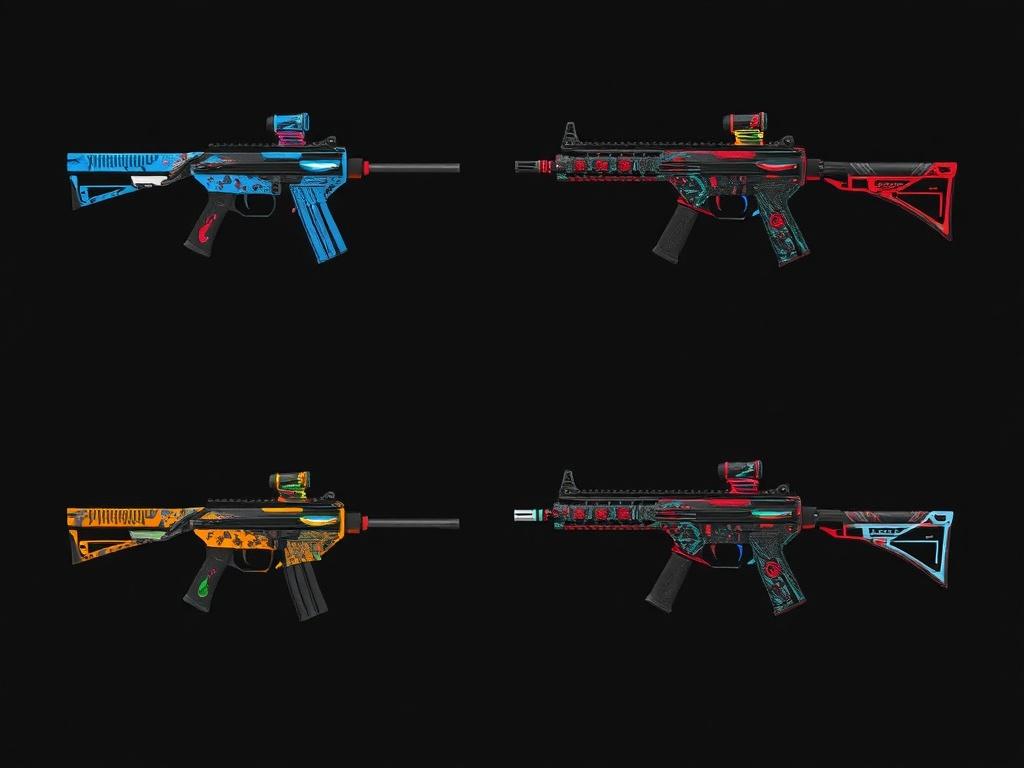
Each method has tradeoffs: cases are exciting but unpredictable; the Steam Market is convenient and secure but limited to Steam Wallet funds; third-party sites might offer cash payouts but require careful vetting.
Practical Acquisition Tips
- Decide whether you want to collect, wear, or trade — your strategy affects which acquisition method makes sense.
- Check float values on the market before purchase. The displayed float can explain price differences between identical-named items.
- Use the in-game inspect tool to see patterns and stickers at various zoom levels; screenshots and videos help validate condition.
- When trading, ask for recent screenshots; insist on live trade confirmations to avoid phishing scams.
What Determines a Skin’s Price?
Price feels like alchemy at first: identical skins listed meters apart in price. The reality is a mix of objective factors and market psychology. Below are the main drivers that determine how much a skin will cost.
- Rarity tier — rarer skins are harder to obtain and typically command higher prices.
- Float/exterior wear — a Factory New item will usually cost more than the same skin in a battle-scarred state.
- Pattern index — certain pattern indexes produce unique visual results. Rare patterns can turn a mid-tier skin into a collector’s item.
- StatTrak and special attributes — StatTrak versions and souvenir variants are worth more than standard ones.
- Supply and demand — aesthetic trends, pro-player usage, and streaming exposure can spike interest and prices quickly.
- Market history and liquidity — popular items trade frequently and have stable prices; niche items fluctuate wildly.
- External events — new case releases, tournaments, or developer changes can shift supply or spotlight particular skins.
Because the market is player-driven, prices can move fast. Learn to use tools that show price history and volume to avoid emotional purchases during hype spikes.
Inspecting Skins — A Practical Checklist
Before you buy, trade, or list a skin, run through a short inspection checklist. This reduces surprises and helps you make rational decisions.
| Step | What to Check | Why It Matters |
|---|---|---|
| Inspect visually | Use in-game inspect; look at both sides and play around with zoom | Reveals pattern quirks, sticker placement, scratches |
| Check float | Confirm the float value shown on the market listing | Float strongly affects appearance and price |
| Pattern research | Search for the pattern index or examples of the same pattern | Some pattern indexes produce rare visuals worth premiums |
| Review transaction history | Look at recent sale prices and volume | Shows market demand and realistic price expectations |
| Verify seller | Confirm reputation and avoidoffsite forced trades | Reduces risk of scams and chargebacks |
Trading, Scams, and Safety
Because skins hold real monetary value for many players, the scene attracts scammers. The good news is that most scams are avoidable with a few sensible habits. Never share your login credentials, never accept trades outside the Steam trade window without verified escrow protections, and be wary of any offer that requires you to click a suspicious URL or install third-party software. Use Steam Guard Mobile Authenticator to protect your account and enable two-factor authentication wherever available.
Common scams include fake trade bots, phishing pages impersonating official sites, and «middleman» offers from unverified individuals. If a deal sounds too good to be true, it usually is. When using third-party marketplaces, check independent reviews, dispute procedures, withdrawal options, and any required identity verification steps.
The Culture Around Skins
Skins have grown into a culture with collectors, stylists, and economists. Some players curate loadouts to match personal branding on streams; others chase autographs and tournament souvenirs as memorabilia. Communities form around trading, showcasing rare items, and debating which finishes are objectively «cool.» That social component is a large part of the skins market’s staying power: a skin’s value is partially aesthetic and partly social proof — it becomes desirable because people want it and talk about it.
Esports impacts trends too. When a pro player uses or popularizes a skin on stream or during a tournament, demand can spike. Conversely, when Valve introduces new finishes or cases, older items can temporarily dip as attention shifts. Collectors who follow scene trends often find better opportunities than speculators relying on luck or blind investment strategies.
CS2-Specific Changes and What to Watch
When CS2 moved the game to the Source 2 engine, there were concerns about whether existing skins would look different. Rendering changes can shift how colors, finishes, and reflections appear in-game. Valve generally preserved floats, pattern indexes, and item metadata, but lighting and shader differences can subtly alter appearance. That subtlety means your favorite skin may look cleaner or slightly different in CS2 lighting compared to the older engine. Always re-inspect items in the current game client before trading or buying at scale.
Additionally, Valve’s ongoing updates — new cases, community skin contests, or changes to drop mechanics — can reshape supply and demand. Keep an eye on official announcements and patch notes if you plan to be active in trading or collecting. Community tools and third-party sites often add CS2-specific features quickly, so use them to stay informed about pattern databases, float lookup tools, and price histories that have adapted to the new engine.
Final Buying and Trading Tips
- Use reputable market trackers to compare prices across listings and catch bargains.
- Prioritize liquidity if you might want to sell quickly; popular skins sell faster and have narrower spreads.
- For rare items, insist on live inspection or trade screenshots under your account to confirm uniqueness like pattern gems or specific floats.
- If you’re opening cases, treat it as entertainment rather than an investment strategy; odds favor the house on random draws.
- Document trades and keep transaction receipts for dispute resolution when dealing with higher-value items.
Conclusion
CS2 skins CSGORUN blend aesthetics, technology, and community into a lively secondary market where taste and timing matter as much as luck. Whether you collect for looks, trade for profit, or simply enjoy the thrill of a rare unbox, the key to navigating skins is knowledge: understand float and patterns, verify sellers and listings, and treat case openings like entertainment rather than guaranteed return. Keep your account secure, follow market history before committing funds, and remember that at the heart of it all, skins are a way for players to add personality to an otherwise uniform battlefield — colorful, messy, and always subject to the next craze.